
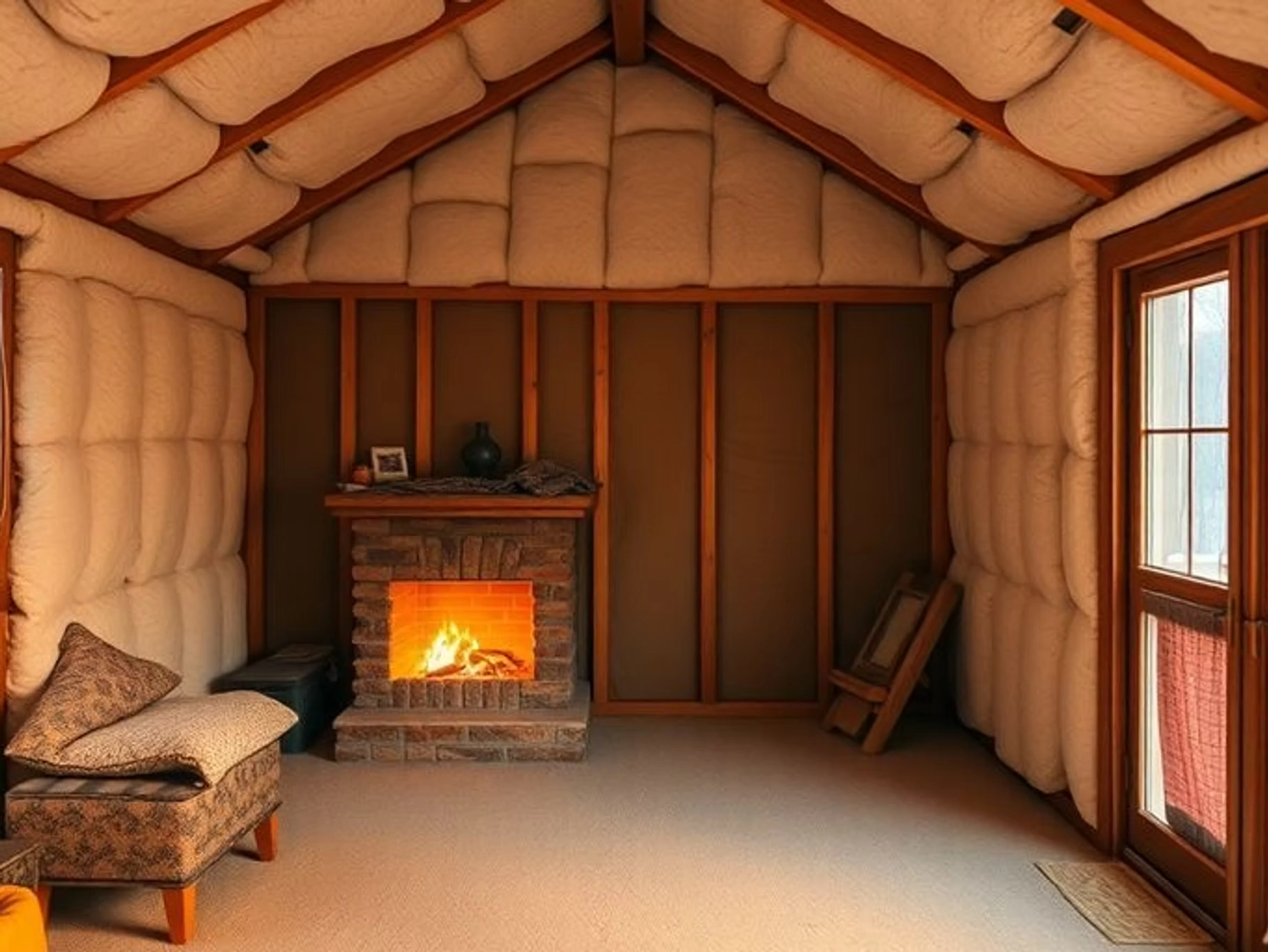
When it comes to making your home more energy efficient, upgrading your insulation can make a big difference. Not only can it help you save on energy bills, but it also keeps your living space comfortable throughout the year. In this article, we’ll explore the various types of insulation, their benefits, and how you can assess and improve your current setup to maximize energy efficiency in your home.
Key Takeaways
- Upgrading insulation helps lower your energy bills.
- Better insulation improves overall comfort in your home.
- Choosing the right insulation can boost your property’s value.
- Regularly check your insulation for leaks and effectiveness.
- There are government programs that can help with the cost of upgrades.
Understanding Energy Efficiency In Your Home
What Is Energy Efficiency?
Energy efficiency, simply put, is about using less energy to get the same job done. Think of it like this: instead of driving a gas-guzzling SUV, you’re opting for a fuel-efficient hybrid. You still get to your destination, but you use way less gas in the process. In our homes, this means reducing the amount of energy we need to heat, cool, and power our lives. It’s not about sacrificing comfort or convenience; it’s about being smarter about how we use resources. It’s about maximizing output while minimizing input.
Why Energy Efficiency Matters
Why should we care about energy efficiency? Well, for starters, it can save us a lot of money. Lower energy consumption translates directly into lower utility bills. But the benefits go way beyond just our wallets. Energy efficiency also has a huge impact on the environment. By using less energy, we reduce our carbon footprint and help combat climate change. Plus, energy-efficient homes are often more comfortable and healthier to live in. It’s a win-win-win situation!
Here’s a quick rundown of the benefits:
- Lower monthly expenses
- Reduced environmental impact
- Increased home comfort
Energy efficiency is not just a trend; it’s a necessity. As energy costs continue to rise and environmental concerns become more pressing, making our homes more energy-efficient is one of the smartest investments we can make.
The Role of Insulation in Energy Efficiency
Insulation plays a critical role in energy efficiency. It acts as a barrier, preventing heat from escaping in the winter and entering in the summer. Without proper insulation, our heating and cooling systems have to work much harder to maintain a comfortable temperature, which wastes energy and drives up our bills. Think of insulation as a cozy blanket for your home, keeping it warm in the winter and cool in the summer. It’s one of the most effective ways to improve energy efficiency and create a more comfortable living environment. We’ll explore the different types of insulation and how to choose the right one for your home in the next section.
Types Of Insulation Materials
When it comes to insulating our homes, we have a bunch of choices. It’s not just about grabbing the first thing we see at the hardware store. Different materials offer different benefits, and what works best really depends on our specific needs and budget. Let’s take a look at some common types.
Fiberglass Insulation
Fiberglass is probably the most common type of insulation out there. It’s been around for ages, and there’s a reason for that: it’s relatively inexpensive and pretty effective. It’s made from tiny glass fibers, and it usually comes in batts or rolls that we can fit between studs or joists. One of the main advantages of fiberglass is its cost-effectiveness.
- Easy to install (for some of us, anyway)
- Widely available
- Good for standard wall and attic spaces
However, fiberglass can be a bit itchy to work with, so we always need to wear protective gear like gloves, masks, and long sleeves. Also, it can lose some of its effectiveness if it gets wet or compressed, so we need to make sure it’s installed properly and kept dry.
Foam Board Insulation
Foam board insulation is another popular option, especially for insulating foundations, walls, and roofs. It comes in rigid panels and can be made from different materials like polystyrene, polyurethane, or polyisocyanurate. Foam board is great because it provides a high R-value (that’s a measure of its thermal resistance) for its thickness.
- High R-value per inch
- Water-resistant
- Good for exterior walls and foundations
Foam board can be a bit more expensive than fiberglass, but it’s often worth it for the added insulation power. Plus, it’s more resistant to moisture, which can be a big deal in certain climates or areas of our homes.
Cellulose Insulation
Cellulose insulation is made from recycled paper products, like newspapers and cardboard. It’s treated with chemicals to make it fire-resistant and insect-resistant. We can install it in walls, attics, and floors, and it’s a good choice for filling in irregular spaces or hard-to-reach areas. It’s often blown in using special equipment.
- Made from recycled materials
- Good for filling irregular spaces
- Effective at reducing air infiltration
One of the cool things about cellulose is that it’s environmentally friendly, since it’s made from recycled stuff. It also does a good job of blocking airflow, which can help reduce drafts and improve our home’s overall energy efficiency. The downside is that it can settle over time, which might reduce its effectiveness, and it can be a bit messy to install.
Benefits Of Upgrading Your Insulation
Lower Energy Bills
Okay, so let’s talk money. Upgrading your insulation is like giving yourself a raise, but instead of your boss signing the check, it’s the utility company paying you back over time. A well-insulated home requires less energy to heat and cool, which directly translates to lower monthly bills. Think about it: your HVAC system isn’t working overtime to compensate for heat loss in the winter or heat gain in the summer. It’s a pretty simple concept, but the savings can really add up. We’ve seen some homeowners cut their energy bills by as much as 15% just by adding insulation. That’s money you can use for, well, anything else!
Improved Comfort Levels
Beyond the financial perks, there’s the comfort factor. No one likes a drafty house in the winter or a sweltering one in the summer. Proper insulation helps maintain a consistent temperature throughout your home, eliminating those annoying hot and cold spots. Imagine walking around barefoot in January and not feeling like you’re on an ice rink. That’s the power of good insulation. It creates a more pleasant living environment for everyone. Plus, it can reduce noise pollution from outside, making your home a quieter, more relaxing space.
Enhanced Home Value
Thinking about selling your home down the road? Upgrading your insulation can actually increase its market value. Potential buyers are increasingly aware of energy efficiency, and a well-insulated home is a major selling point. It signals that you’ve taken care of the property and invested in its long-term performance. A higher energy efficiency rating can make your home more attractive to buyers and potentially command a higher price. It’s an investment that pays off now and in the future.
Upgrading insulation is not just about saving money; it’s about creating a more comfortable, sustainable, and valuable home. It’s a win-win situation for homeowners looking to improve their living spaces and reduce their environmental footprint.
How To Assess Your Current Insulation
Before jumping into upgrades, it’s important to understand what you’re currently working with. We need to take a good look at the insulation you already have to figure out if it’s doing its job, or if it’s time for an upgrade. It’s like checking the tires on your car before a long road trip – you want to make sure everything is in good shape.
Identifying Insulation Types
First things first, let’s figure out what kind of insulation you have. There are several common types, and each has its own characteristics. Fiberglass is probably the most common, often found in batts or rolls. It looks like fluffy, pink or yellow stuff. Then there’s cellulose, which is made from recycled paper and looks like gray, loose fill. Foam board is another option, usually rigid panels used in walls or roofs. Knowing what you have helps you understand its potential performance and any issues it might have.
Checking for Air Leaks
Even the best insulation won’t do much good if you have air leaks. Air leaks let conditioned air escape and outside air come in, making your HVAC system work harder. We can check for air leaks by feeling around windows and doors for drafts. Another trick is to hold a lit candle or incense stick near windows, doors, and outlets. If the flame or smoke wavers, you’ve found a leak. Sealing these leaks with caulk or weather stripping can make a big difference.
Evaluating R-Values
R-value is a measure of how well insulation resists heat flow. The higher the R-value, the better the insulation. Different areas of your home require different R-values, depending on the climate and building codes. We can check the R-value of your existing insulation by looking for labels on the insulation itself. If you can’t find a label, you can estimate the R-value based on the type and thickness of the insulation. Here’s a general guide:
| Insulation Type | Approximate R-Value per Inch |
|---|---|
| Fiberglass Batt | 3.0 – 3.7 |
| Cellulose | 3.1 – 3.7 |
| Foam Board | 4.0 – 8.0 |
Keep in mind that these are just estimates. The actual R-value can vary depending on the specific product and installation. If you’re unsure, it’s always best to consult with a professional.
If your insulation has a low R-value, or if it’s damaged or compressed, it might be time to consider an upgrade. This assessment will give us a clearer picture of what needs to be done to improve your home’s energy efficiency.
Choosing The Right Insulation For Your Home
Okay, so you’re ready to upgrade your insulation. That’s great! But with so many options out there, how do you actually pick the right one? It’s not as simple as just grabbing the cheapest stuff at the hardware store. Let’s break it down.
Factors To Consider
First off, think about what you’re trying to achieve. Are you mainly trying to cut down on energy bills? Or is it more about making your house feel more comfortable year-round? Maybe you’ve got some rooms that are always too hot or too cold. These are important questions to ask yourself. Also, consider these points:
- R-Value: This measures how well the insulation resists heat flow. Higher R-value means better insulation. But more isn’t always better; it depends on your climate.
- Location: Where are you insulating? Walls, attic, crawl space? Different areas need different types of insulation.
- Budget: Insulation costs can vary a lot. Set a budget and stick to it. Don’t forget to factor in installation costs.
Professional vs. DIY Installation
Alright, this is a big one. Can you install the insulation yourself, or should you hire a pro? Honestly, it depends on your skills and the type of insulation. Some types, like fiberglass batts, are pretty straightforward to install. Others, like spray foam, are best left to the professionals. Here’s a quick rundown:
- DIY: Cheaper, but requires time, effort, and some know-how. You’ll need to buy or rent tools.
- Professional: More expensive, but they’ll do the job quickly and correctly. Plus, they can often spot other issues you might miss.
Doing it yourself can save money, but if you mess it up, you could end up with bigger problems down the road. Think about air gaps, moisture issues, and proper ventilation. These things can really impact the effectiveness of your insulation.
Local Climate Considerations
Your local climate plays a huge role in choosing the right insulation. What works in Arizona won’t necessarily work in Minnesota. In colder climates, you’ll need higher R-values to keep the heat in. In hotter climates, you’ll want insulation that reflects heat away from your home. Also, consider humidity levels. Some types of insulation are more resistant to moisture than others. Check out this table for a quick guide:
| Climate Type | Recommended R-Value (Attic) | Recommended Insulation Type |
|---|---|---|
| Cold | R-49 to R-60 | Fiberglass, Cellulose |
| Moderate | R-38 to R-49 | Fiberglass, Foam Board |
| Hot | R-30 to R-38 | Radiant Barrier, Foam Board |
Remember to check your local building codes for specific requirements. They might have minimum R-value requirements for different areas of your home. Don’t skip this step! It’s important to make sure you’re meeting the standards. And that’s it! Choosing the right insulation can seem overwhelming, but with a little research and planning, you can make the best decision for your home and your wallet.
Energy Efficiency Upgrades Beyond Insulation
Insulation is a big deal, but it’s not the only way to cut down on energy waste. There are other things we can do around the house to make a real difference. Let’s explore some options.
Sealing Windows and Doors
Okay, so think about all those tiny gaps around your windows and doors. Air leaks through them, letting cold air in during the winter and hot air in during the summer. It’s like throwing money out the window, literally! Sealing these leaks can make a huge difference in how comfortable your home feels and how much you spend on energy bills.
- Caulk around window frames
- Weatherstrip doors
- Use door sweeps
Upgrading HVAC Systems
Our heating and cooling systems are often the biggest energy hogs in our homes. Older systems are just not as efficient as newer models. HVAC upgrades can be expensive, but they pay off in the long run.
Replacing an old furnace or air conditioner with a high-efficiency model can significantly reduce energy consumption. Look for Energy Star certified products to maximize savings.
Utilizing Energy-Efficient Appliances
Appliances are another area where we can make smart choices. Think about your refrigerator, dishwasher, washing machine, and dryer. Older models use way more energy than newer, energy-efficient ones. When it’s time to replace an appliance, look for the Energy Star label. These appliances meet strict energy efficiency guidelines set by the EPA.
Here’s a quick comparison:
| Appliance | Old Model (Approx. Annual Cost) | Energy Star Model (Approx. Annual Cost) |
|---|---|---|
| Refrigerator | $150 | $75 |
| Washing Machine | $100 | $50 |
| Dishwasher | $80 | $40 |
Hi, this is a comment.
To get started with moderating, editing, and deleting comments, please visit the Comments screen in the dashboard.
Commenter avatars come from Gravatar.